| |
|
Dear reader,
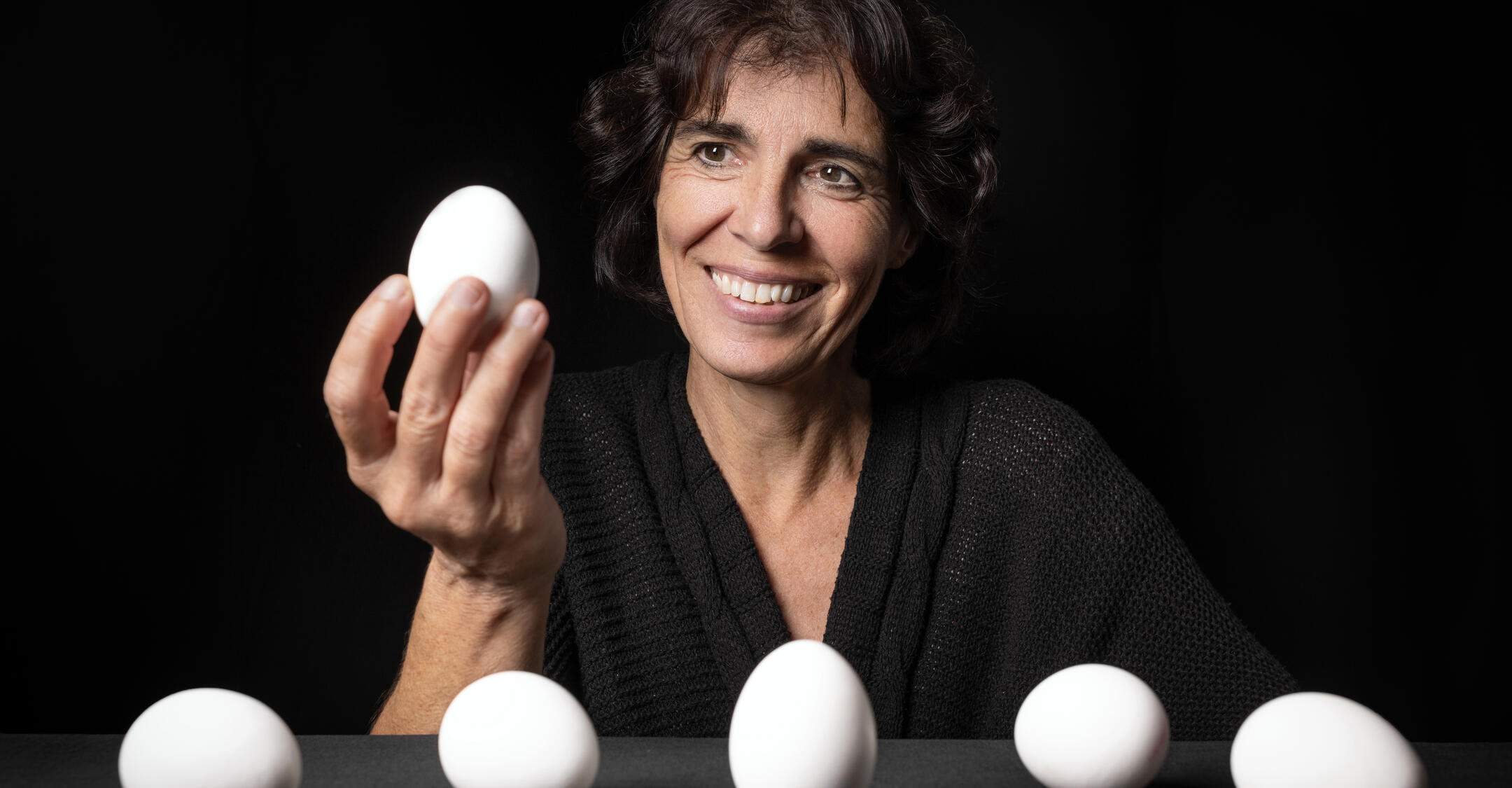
How does the nervous system of an unborn child develop? What molecular signals cause malformations – and can these perhaps be corrected at an early stage? Read our profile of Annette Hammes to find out what drives her. She has also passed her enthusiasm onto Lena Fürst from her lab, who has been honored as Berlin's best lab technician trainee this year.
In other news, Friedemann Paul and Nikolaus Rajewsky are once again among the most cited researchers worldwide. A team led by Zsuzsanna Izsvák has found a link between ancient viral DNA and preeclampsia, suggesting a way to diagnose the dangerous pregnancy complication earlier.
And the Max Delbrück Center itself? It has once again been recognized as a particularly family-friendly and appreciative workplace.
We hope you enjoy reading!
Your Insights team
PS: If you want to know more about the Max Delbrück Center, just follow us on LinkedIn, Instagram or Bluesky.
|
|
Interpreter of signals
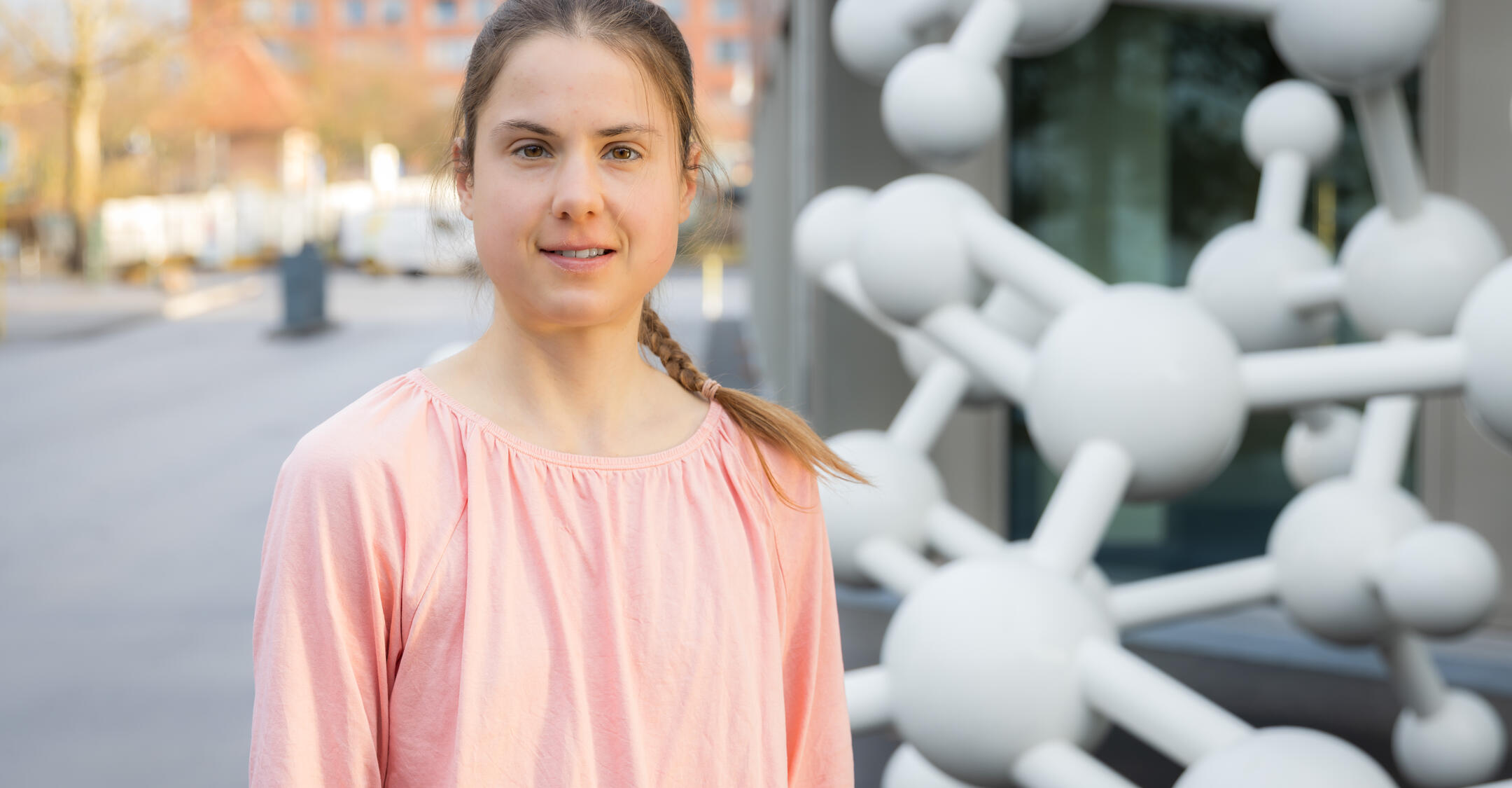
For a healthy brain and nervous system to form in the embryo, chemical and mechanical signals must precisely guide cell development. Annette Hammes investigates the factors that can disrupt this finely tuned system – to enable the early detection, and potentially the prevention, of brain malformations.
Read more |
|
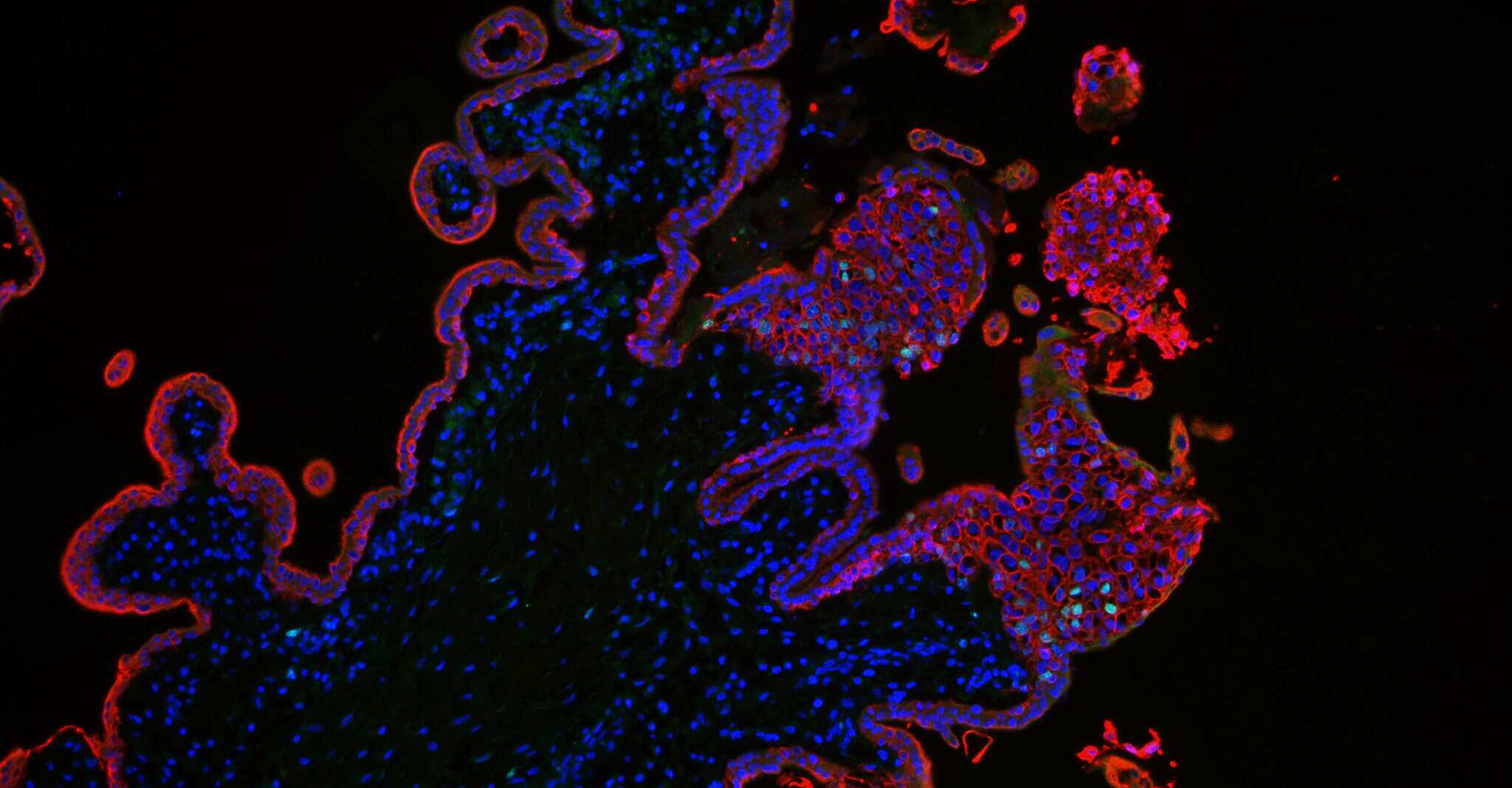
Ancient viral DNA shapes modern human placentas
A collaboration led by our center and University of Bath has uncovered how ancient viral DNA controls a gene linked to placenta development and pre-eclampsia, a life-threatening pregnancy disorder. The research, published in “Genome Biology,” could help identify pre-eclampsia risk much earlier.
Read more |
|
|
|
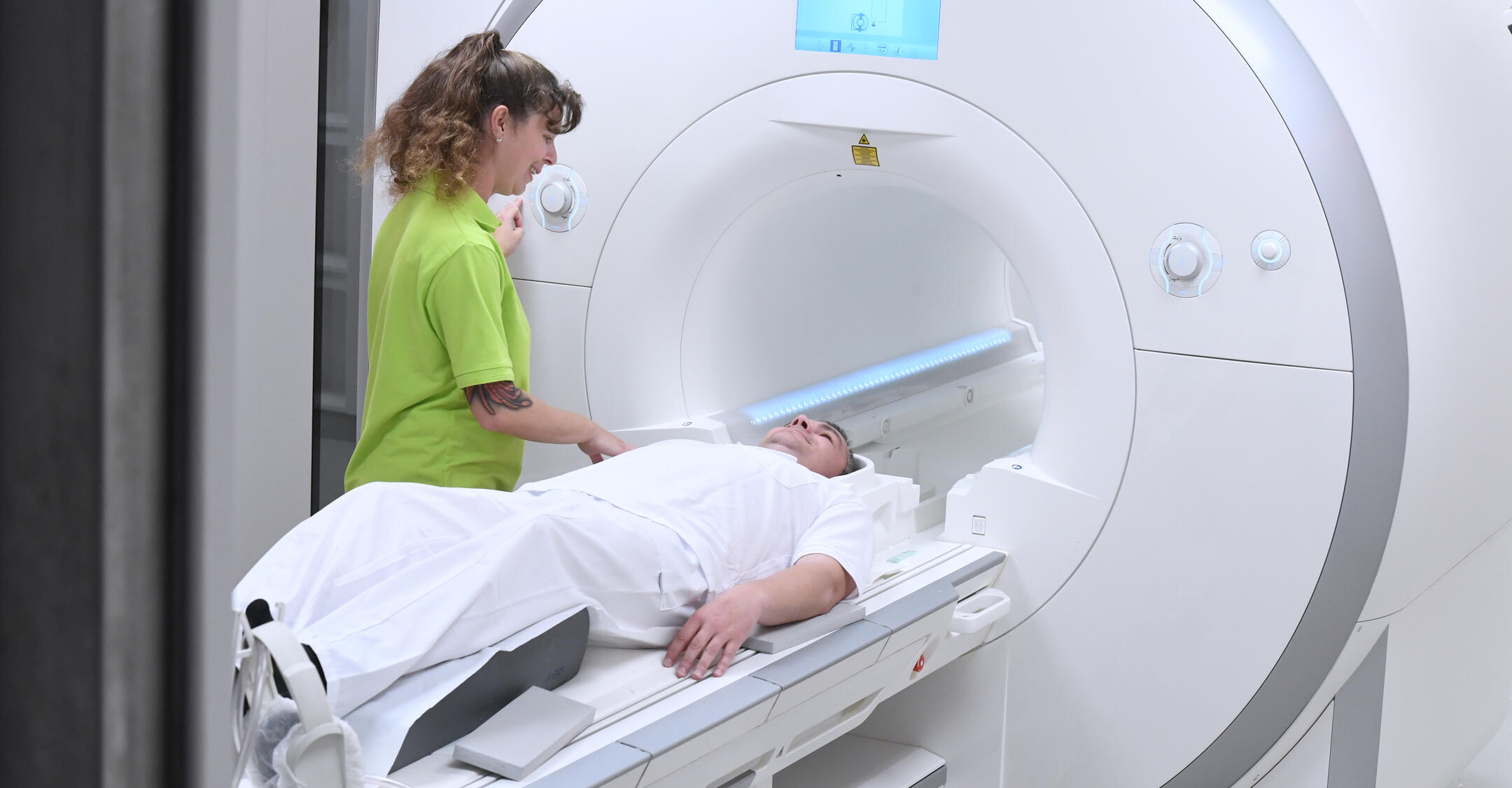
Lifestyle linked to body fat composition Using data from the German NAKO health study, an international team led by Tobias Pischon has found that a healthy lifestyle – regular exercise, a balanced diet, alcohol in moderation and not smoking – is linked to the accumulation of less visceral body fat. The results are reported in “Obesity.”
Read more
|
|
|
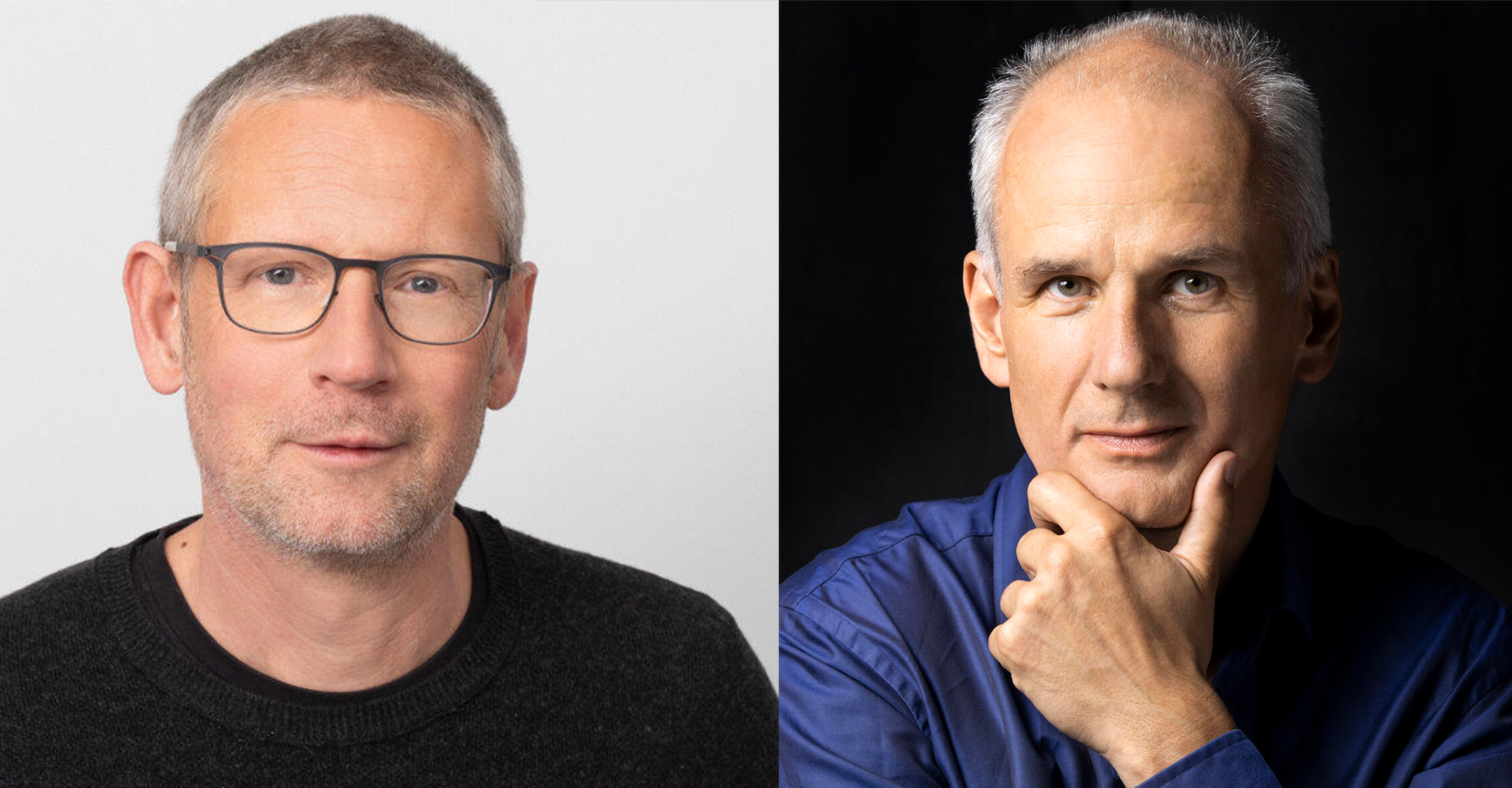
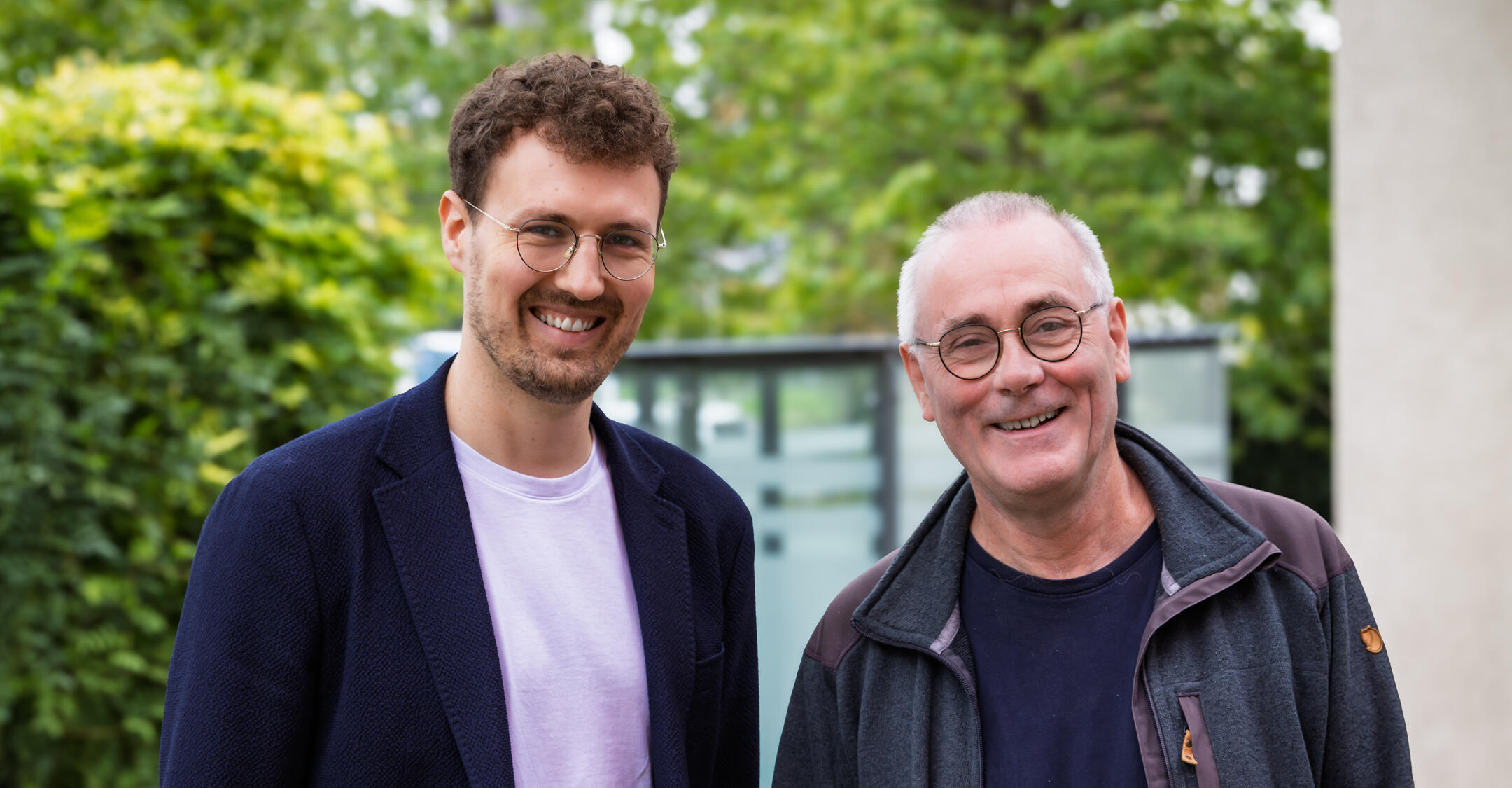
Influential in their fields Friedemann Paul and Nikolaus Rajewsky are among the most Highly Cited Researchers in the world, according to data analysis company Clarivate. Both have made the list several times over the years. Germany ranks fourth among countries and regions, behind the U.S., mainland China and the U.K.
Read more |
|
|
From bench to business
What does it take to turn our research into a startup? Meet Klaas Yperman, our very first Entrepreneur-in-Residence. Yperman has won a Helmholtz Enterprise grant to develop a roadmap for turning compounds discovered in the Lewin lab into a drug to treat neuropathic pain.
Read more |
|
Berlin's best biology lab technician
Lena Fürst, a member of Annette Hammes' team, is being honored by the Berlin Chamber of Commerce and Industry for finishing at the top of her biology lab technician training class. In this interview, she talks about the obstacles she has had to overcome and offers advice to other trainees.
Read more |
|
Valuing and supporting our employees
|
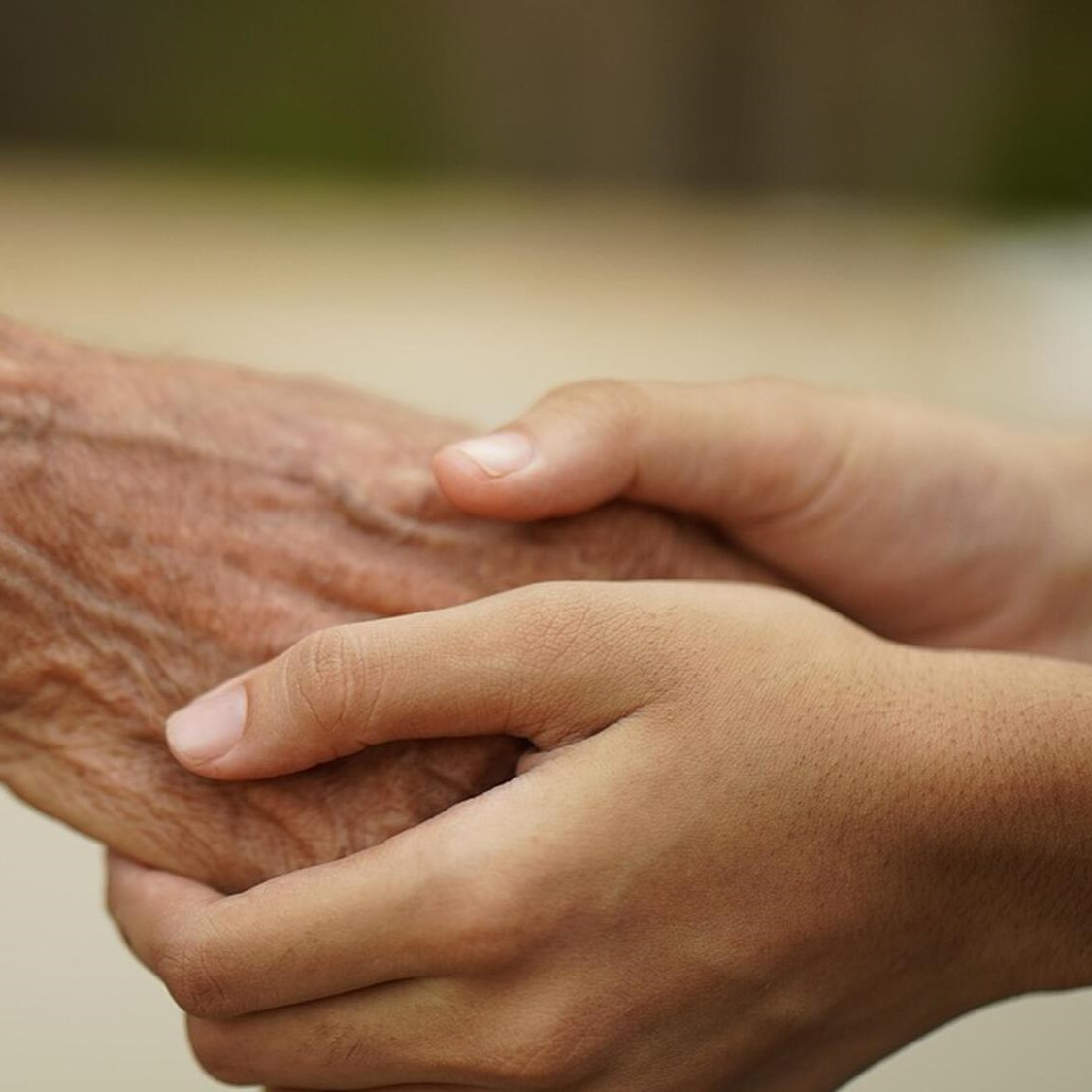
Our research institute has once again been awarded the “audit berufundfamilie” certification – an acknowledgment of our commitment to supporting employees through all stages of their lives, whether caring for children or aging parents.
Read more
|
|
|
|
Berlin Science Week 2025 in pictures
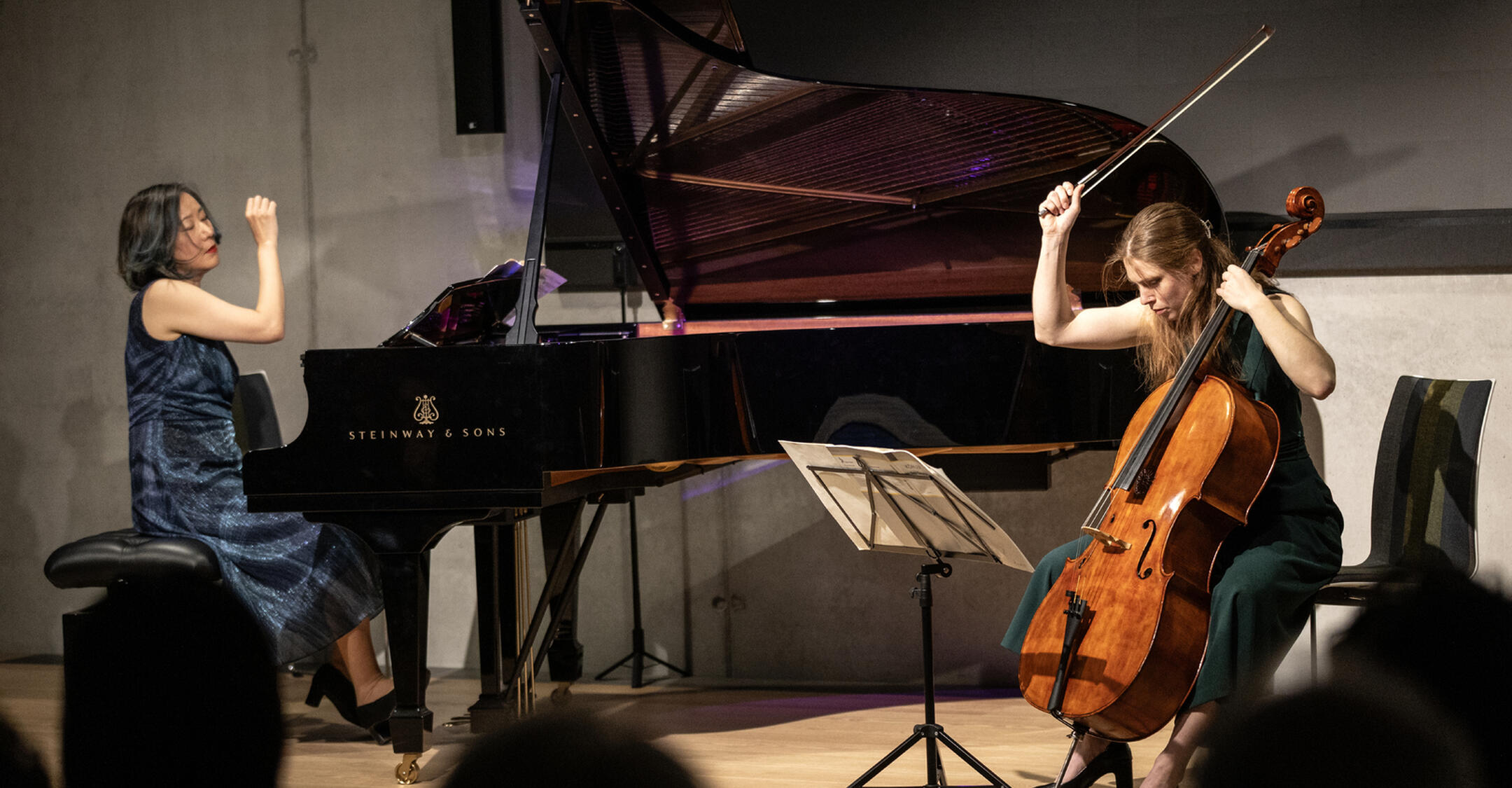
About one thousand science enthusiasts took part in center events during Berlin Science Week 2025. Visitors learned that sharks do indeed feel pain, experienced single-cell research first hand, enjoyed a concert and exhibitions. Scroll through our photo gallery for a few highlights.
Read more |
|
|
|
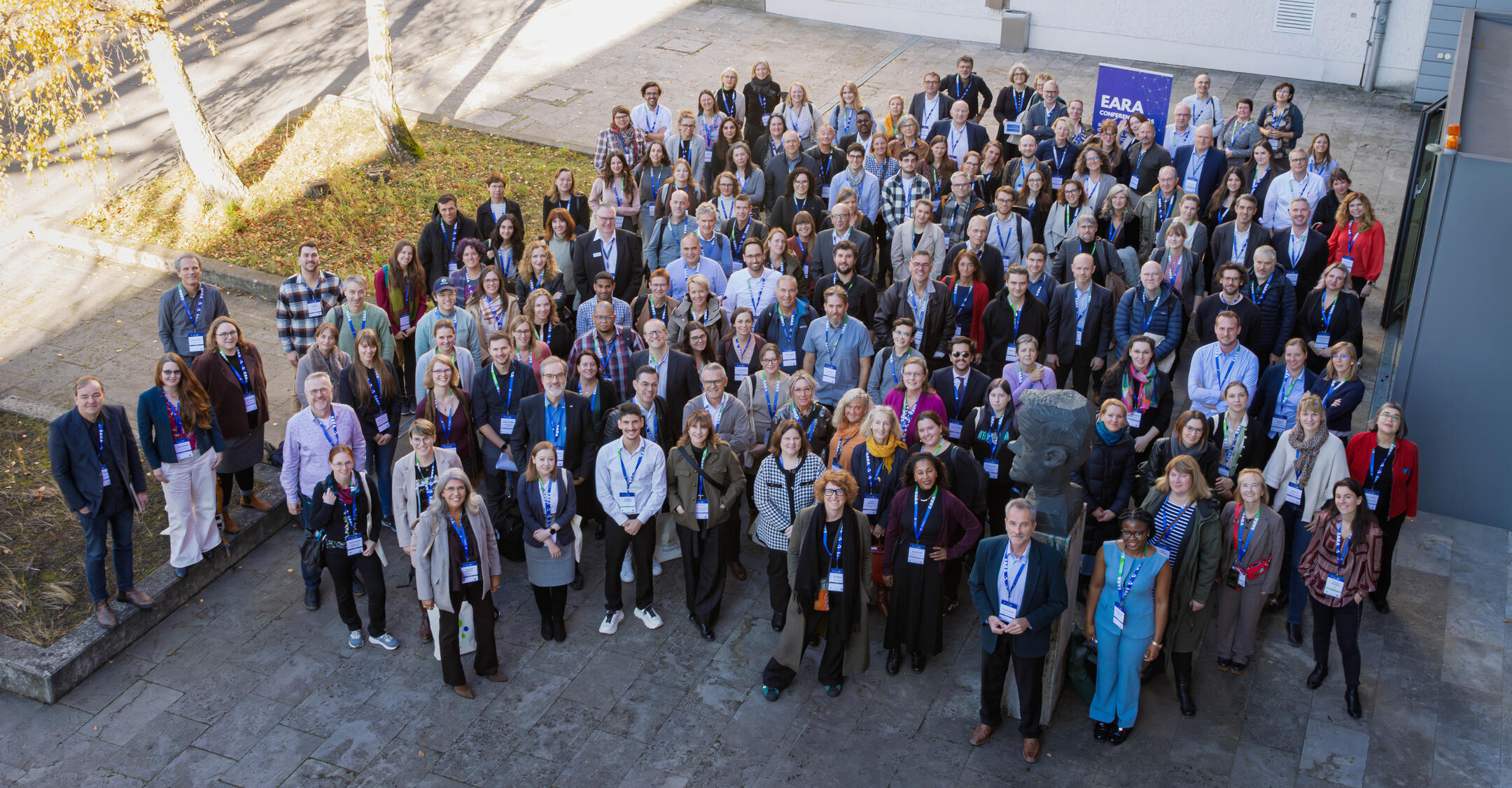
Being transparent about animal research During Berlin Science Week, more than 200 researchers, animal welfare officers and managers, journalists, communicators and experts on openness on animal research met at the first-ever EARA conference at our center in Berlin-Buch.
Read more
|
|
|
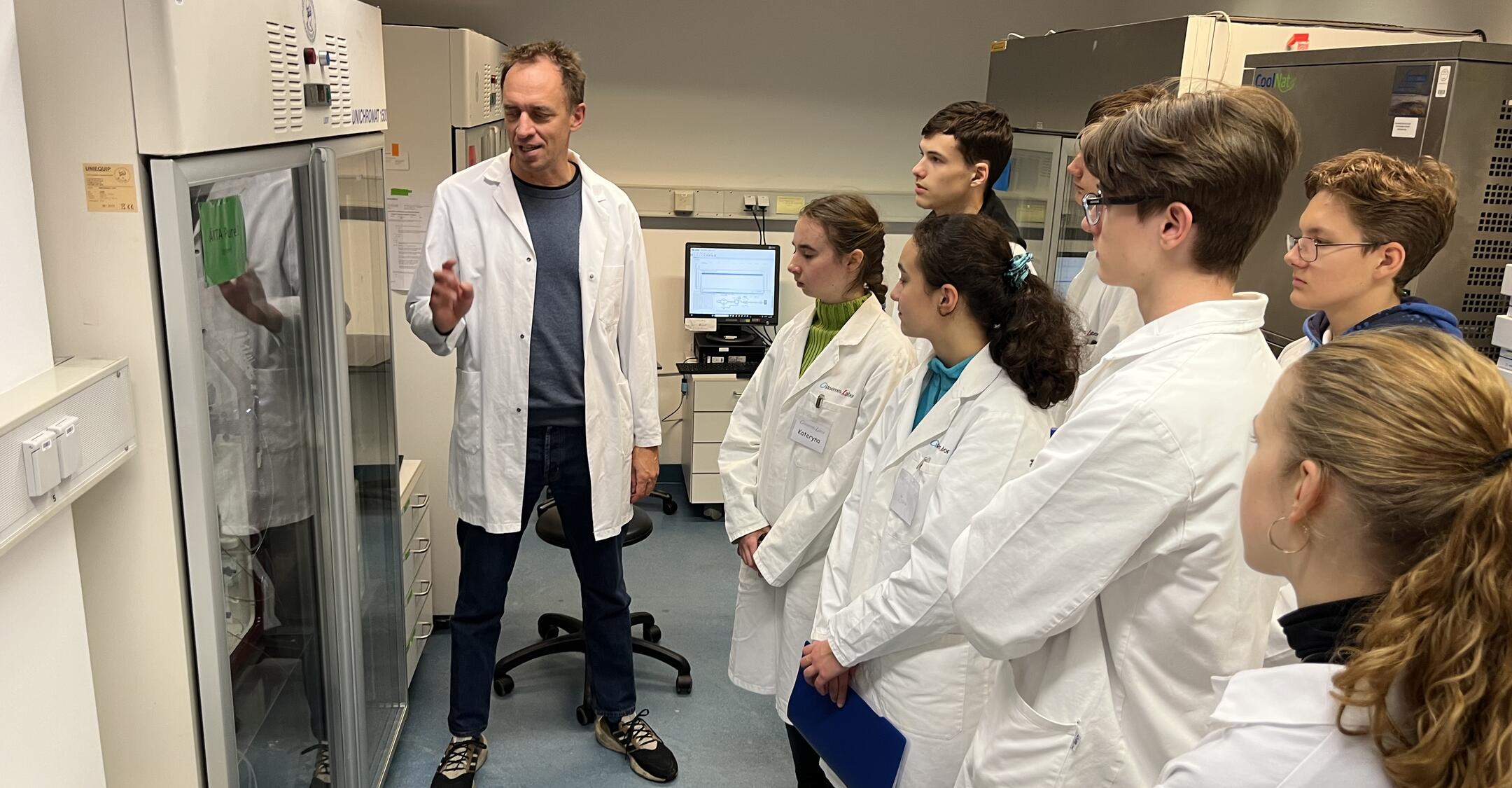
Gläsernes Labor: Peering at proteins During the “Expedition Proteins” workshop at the Gläsernes Labor, students immersed themselves in protein research. The week-long workshop gave them a glimpse into how scientists explore life’s molecular machinery.
Read more |
|
|
What are you reading, Ms. Xu?
|
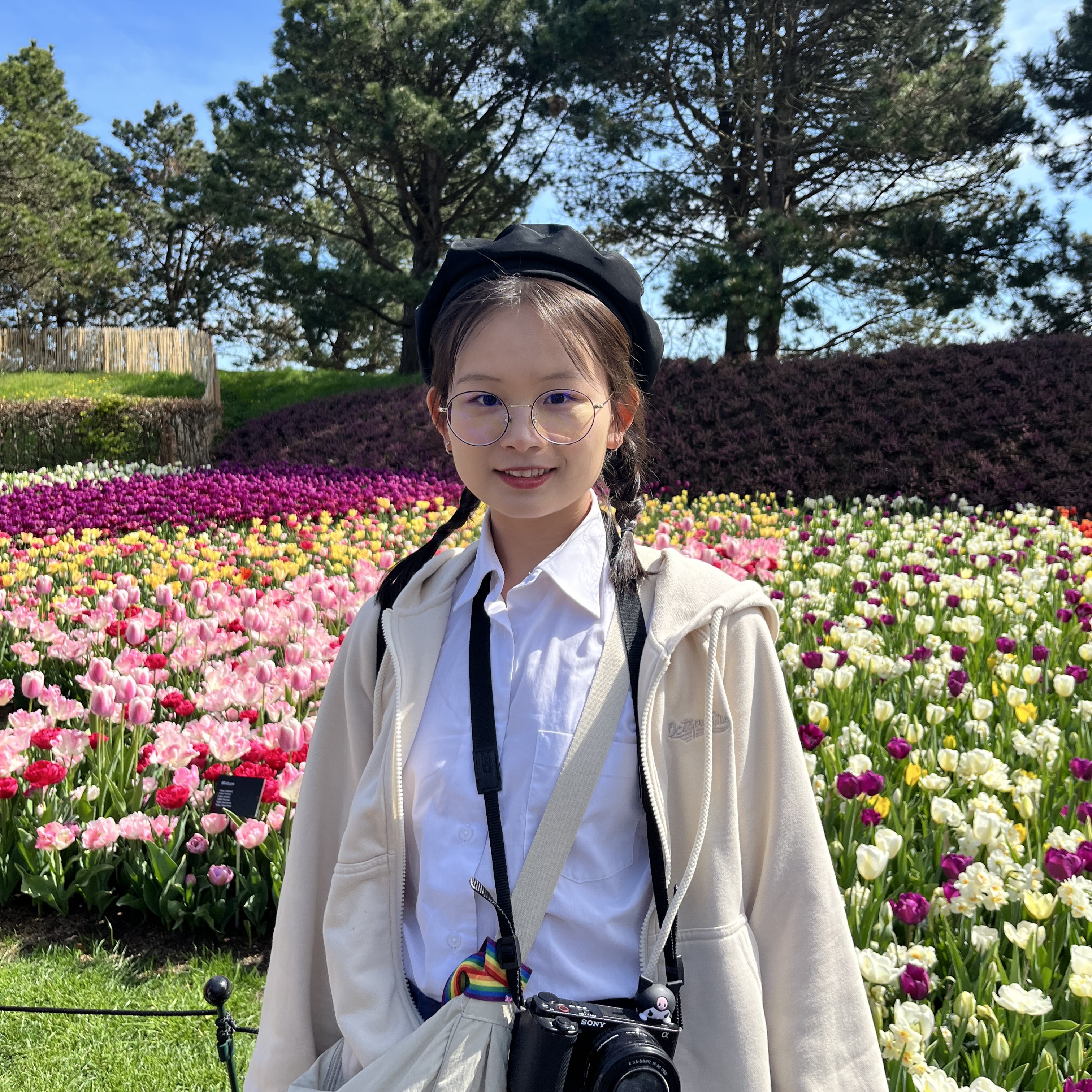
Jiyan Xu is a doctoral student in Sofia Forslund's lab. She is investigating how diet, allergies, and potentially harmful microbes interact and shape the human gut microbiome. Jiyan Xu recommends a deeply thought-provoking, philosophical book – a classic of Japanese literature.
Read more
|
|
|
|
Curious about a career that combines science and innovation? At the Max Delbrück Center you can expect exciting challenges, interdisciplinary and international teams and the opportunity to help shape the medicine of tomorrow – whether in administration or in the lab.
All open positions |
|
December 4
11:00 a.m. - 6:30 p.m. Max Delbrück Center
MDC.C, Axon 1
Robert-Rössle-Str 10
13125 Berlin |
Predictive Systems Medicine
Partnering event
This event will bring together leading researchers and industry innovators to explore opportunities to collaborate in areas such as innovative therapies, precision diagnostics, spatial single- cell-omics, advanced disease models for drug development, bioengineering, AI in systems medicine, and beyond. |
|
|
December 8
2:10 - 6:30 p.m. MDC-BIMSB
Elsa Neumann Room (0.61)
Hannoversche Str 28
10115 Berlin |
MDC afternoons in immunology
We are excited to announce the next session of our "MDC afternoons for immunology," a quarterly event aimed at bringing together scientists with diverse backgrounds in immunology, enhancing networking, and strengthening connections across the Max Delbrück Center and Berlin.
Speaker: Dr. Jeffrey A. Hubbell (NYU Grossman School of Medicine) and Dr. Stefano Casola (IFOM ETS – The AIRC Institute of Molecular Oncology) |
|
|
December 10
2:30 - 3:30 p.m. MDC-BIMSB
Elsa Neumann Room (0.61)
Hannoversche Str 28
10115 Berlin
and via Zoom |
Uncovering Input-Target Associations with Explainable AI
SysBio Lecture Series: AI for Systems Medicine
Speaker:
Professor Grégoire Montavon (Charité / BIFOLD) |
|
|
December 10
4 - 5:30 p.m. Online via Zoom |
Lab meets teacher
Teacher training
Topic: Kalter Schnee, heiße Schokolade – wie erkennt unser Körper Temperatur?
The lecture will be given by Dr. Svenja Steinfelder. |
|
|
December 16
3 - 4 p.m. Max Delbrück Center
MDC.C, Foyer
Robert-Rössle-Str 10
13125 Berlin |
Weihnachtliche Führung durch die einzigartige Sammlung historischer Mikroskope auf dem Campus Berlin-Buch
Lernen Sie die Anfänge der Berliner Mikroskop-Produktion und ihren Einfluss auf die moderne Biomedizin kennen. Der Neurowissenschaftler Professor Helmut Kettenmann führt Sie durch die Mikroskop-Ausstellung im Max Delbrück Communications Center (MDC.C) und die Sammlung im Campus-Museum. Anschließend laden wir Sie zu einem Gedankenaustausch bei einem weihnachtlichen Getränk bzw. Gebäck ein.
Anmeldung per E-Mail bei Daniela Giese: d.giese@campusberlinbuch.de
Die Teilnehmerzahl ist auf 20 Personen begrenzt. |
|
|
|
|
|