| |
|
Dear reader,
To deliver on the promise of improving medicine of tomorrow, laboratory research alone is not enough. Discoveries need to be turned into market-ready concepts so that they can truly benefit patients and society in general. Entrepreneurial thinking is therefore essential. In this issue of our newsletter, you will find stories of our researchers doing exactly that.
In other news, Karen Christman, a Stiftung Charité Visiting Fellow, has won a prestigious Humboldt Research Award as part of the Germany’s Global Minds Initiative. The bioengineer can now intensify her research at the Max Delbrück Center on the delivery of pro-regenerative biomaterial to the site of a heart attack to boost the repair process.
And, of course, we also take a look back at the end of the year. In a short video, 15 people from our community discuss their personal highlights of 2025.
We wish you a great start to 2026!
Your Insights team
PS: If you want to know more about the Max Delbrück Center, follow us onLinkedIn, Instagram or Bluesky.
|
|
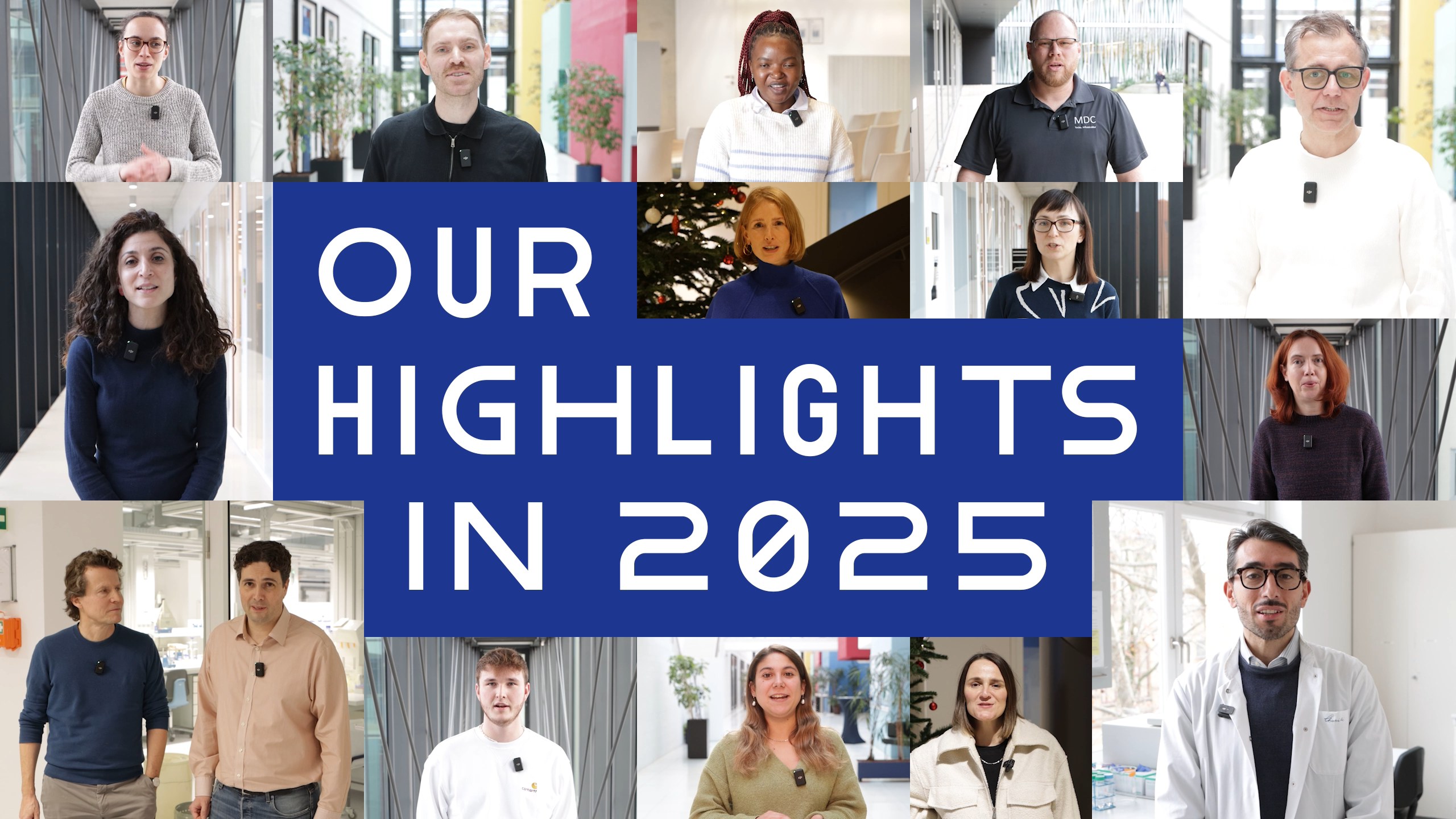
Our Highlights in 2025
This year's true highlights came from the people behind our science: Meet 15 people from our community who reflect on scientific achievements, new roles, teamwork, shared challenges, and the everyday interactions that make our center special.
Link to the video on YouTube |
|
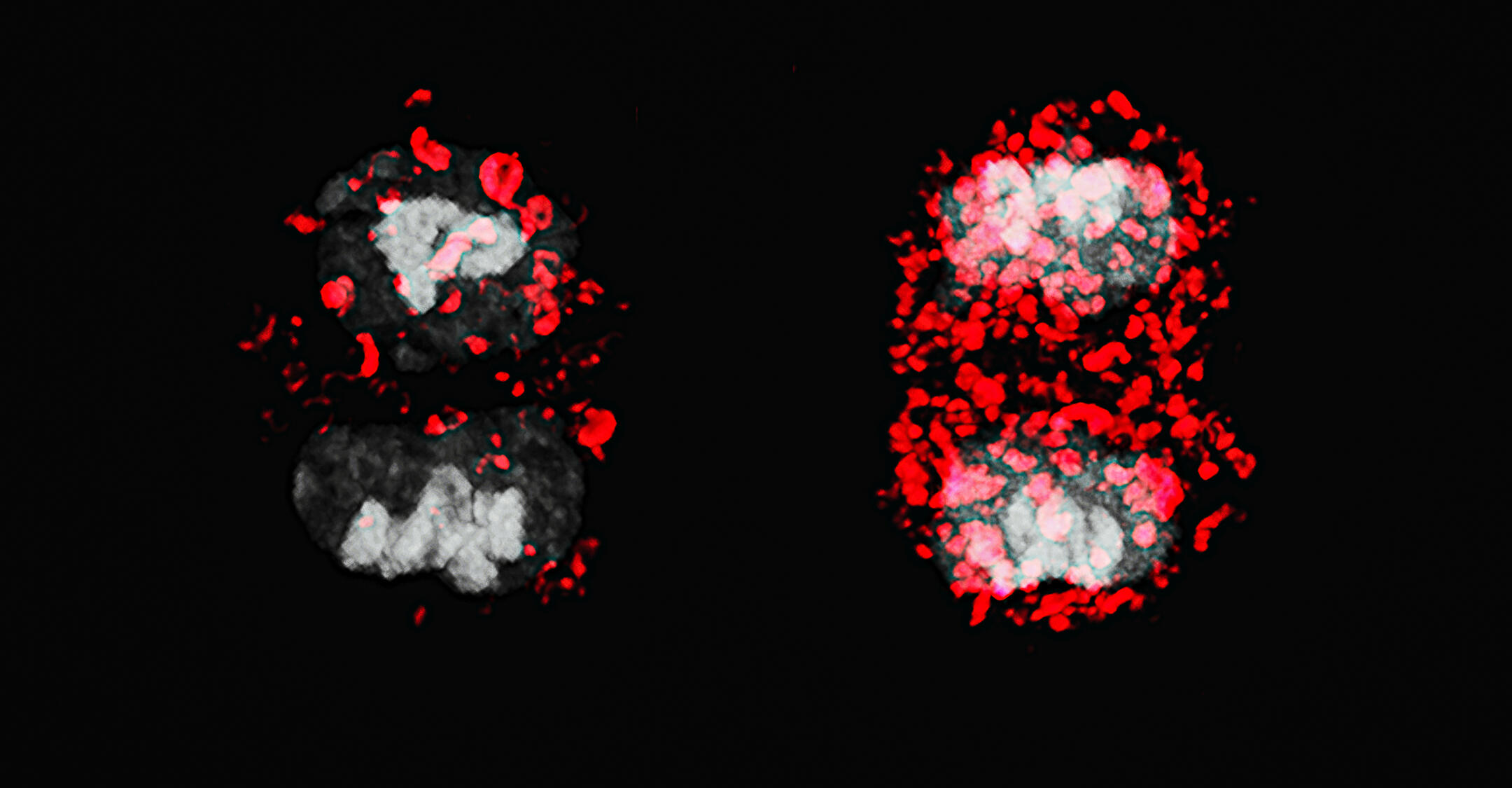
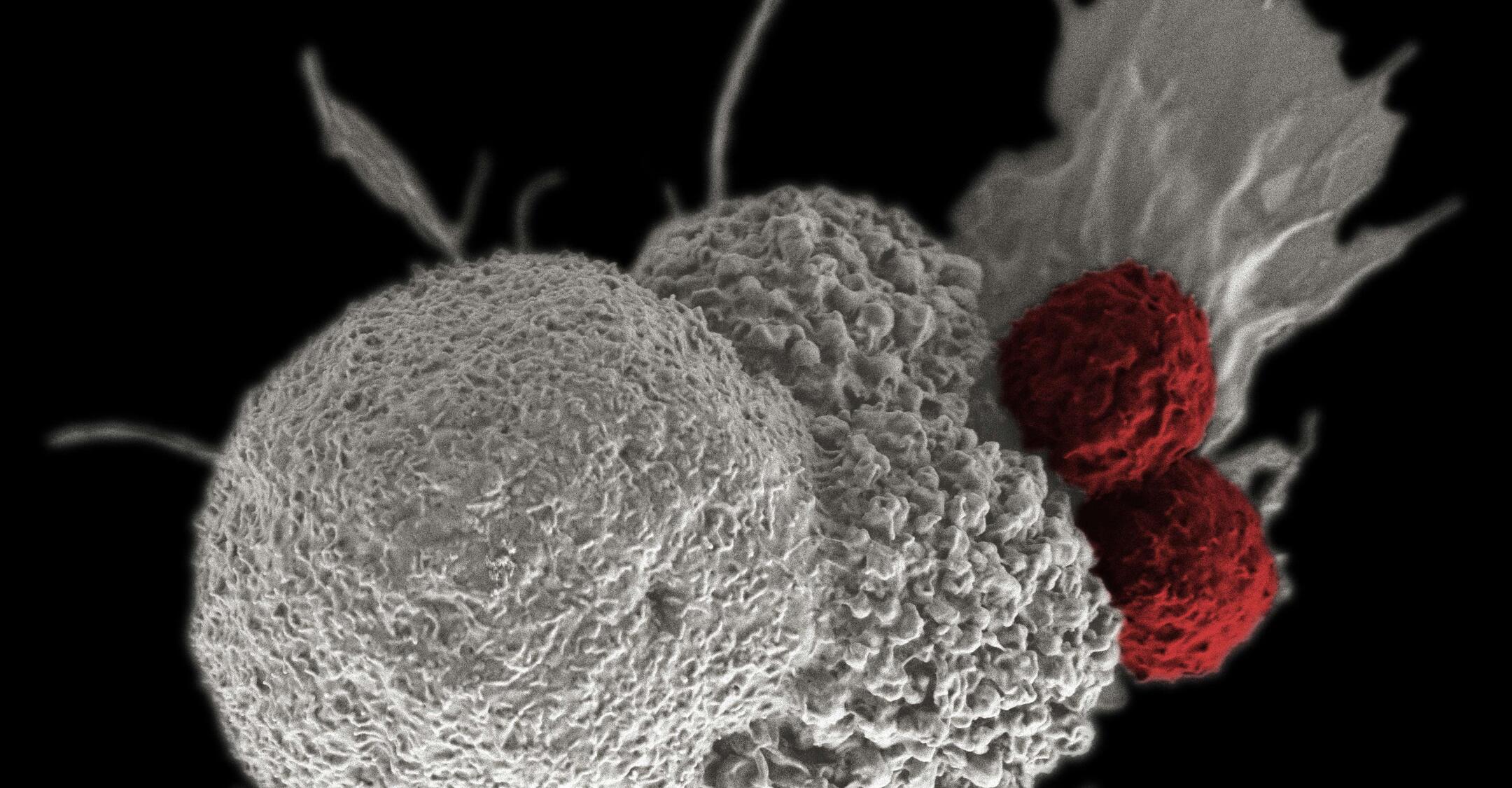
What determines the fate of a T cell?
Researchers at our center have found that a cellular housekeeping mechanism called autophagy plays a major role in ensuring that T stem cells undergo normal cell division. The findings, published in “Nature Cell Biology,” could help boost vaccine response in older adults.
Read more |
|
|
|
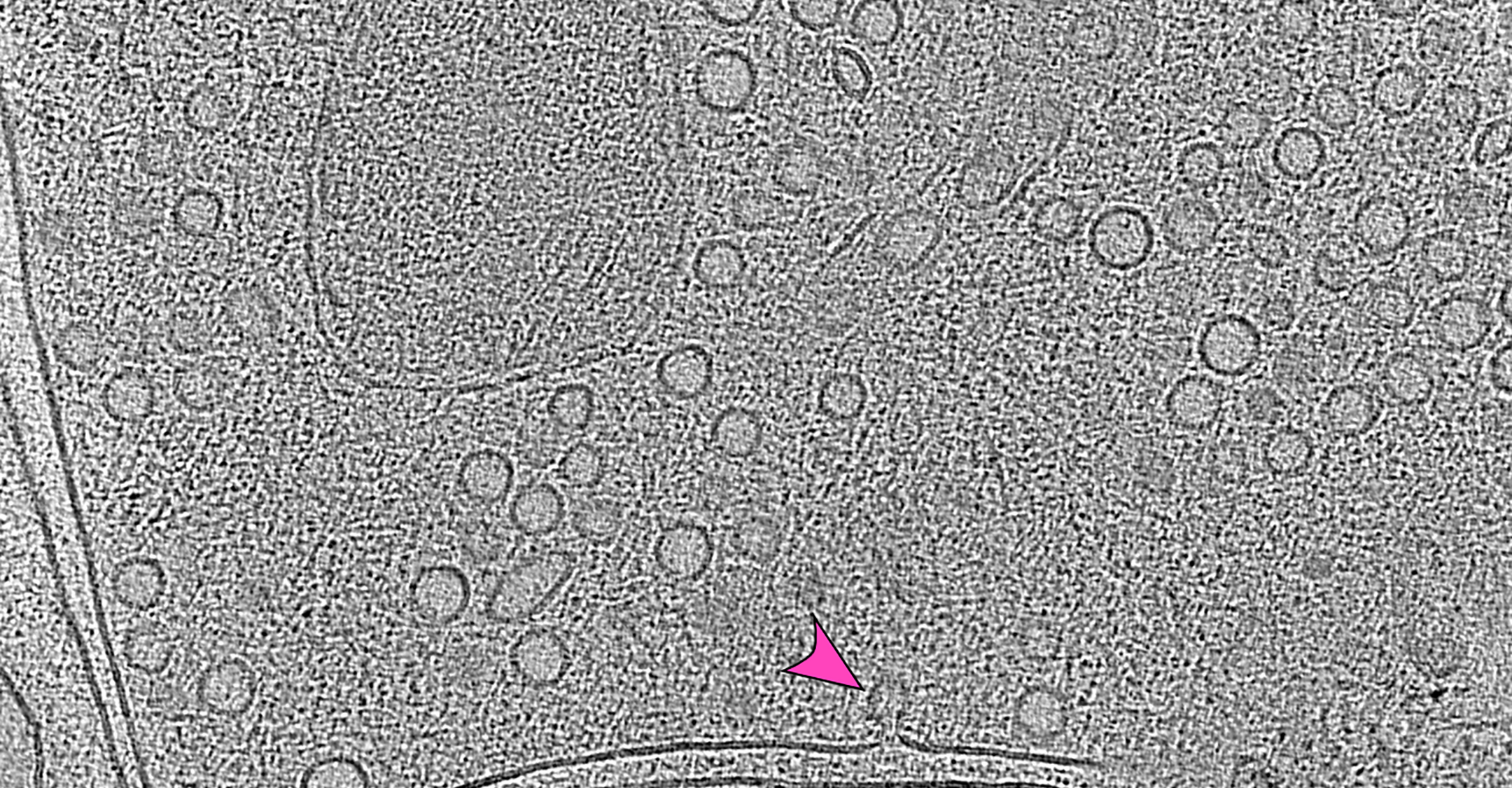
Observing synapses in action A team of Berlin-based researchers led by Jana Kroll and Christian Rosenmund has captured the fleeting moment a nerve cell releases its neurotransmitters into the synaptic cleft. Their microscopic images and description of the process are published in “Nature Communications.”
Read more
|
|
|
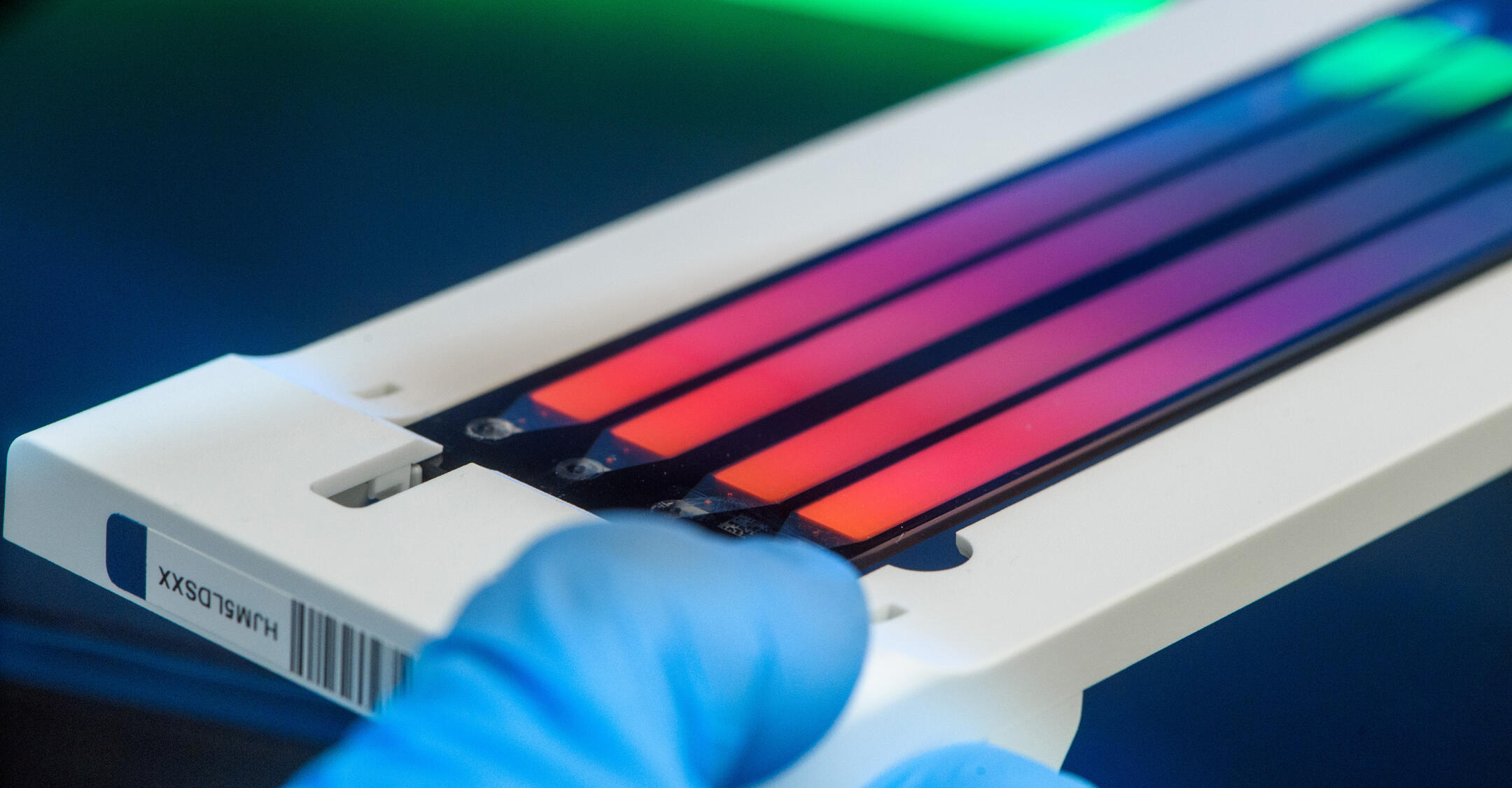
Berlin joins national genome data network Our center and Berlin Institute of Health at Charité – Universitätsmedizin have joined a national network of six Genome Data Centers and the German Human Genome-Phenome Archive, adding Berlin as an operational data hub for genomic medicine and omics-based research.
Read more |
|
|
Captain T Cell closes multi-million-euro round
Captain T Cell, a biotechnology spin-off from our research center in Berlin, recently closed an equity financing round with both new and existing investors.The funding provides the company with a total budget of 20 million euros to develop next-generation T cell therapies for solid tumors.
Read more |
|
|
|
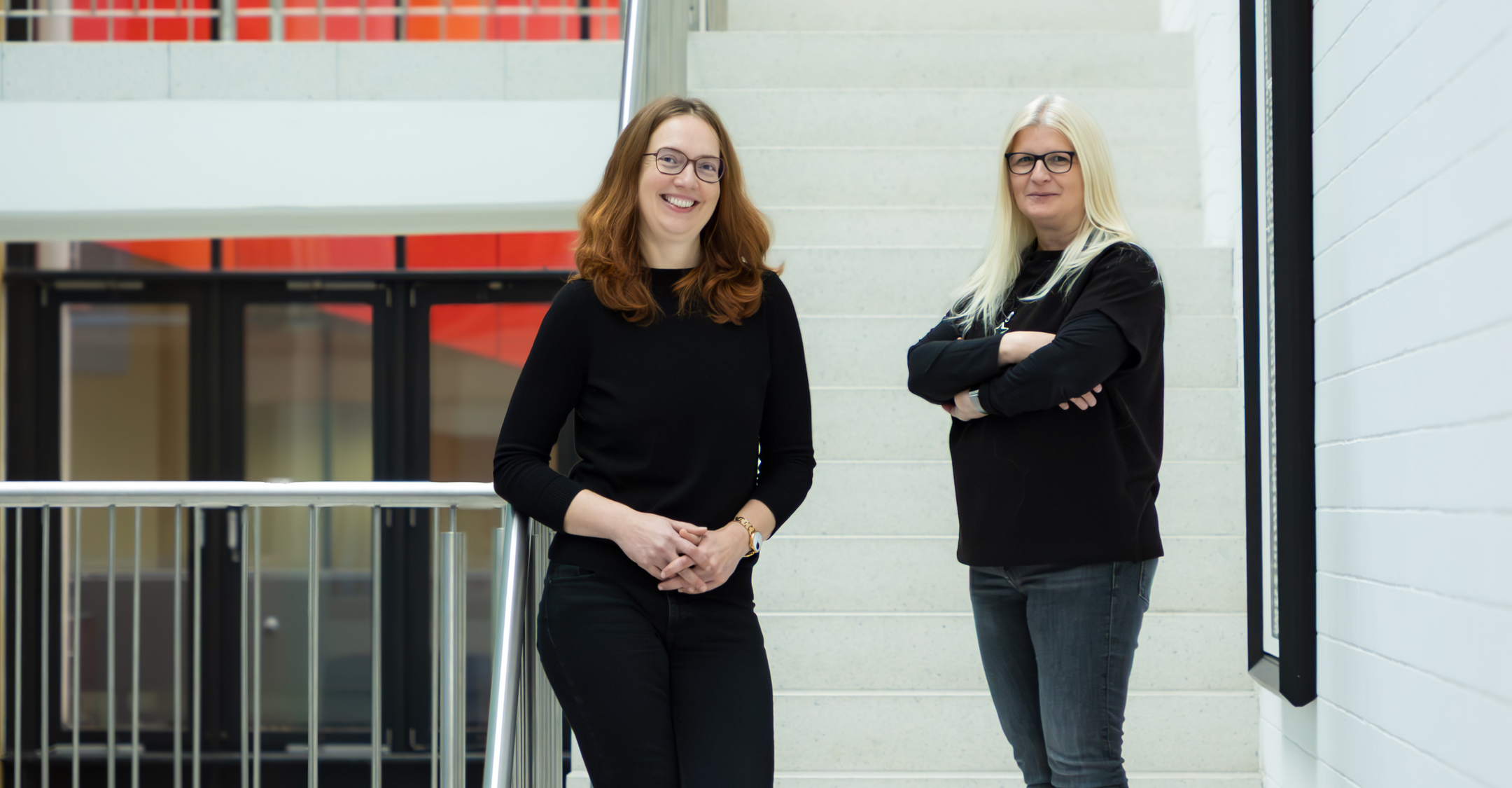
A spin-off targeting neuromuscular disorders A team led by Mina Gouti has developed a stem cell-based model that enables researchers to test new drugs to treat neuromuscular diseases and to refine existing therapies. The project, called NMJCare, was named one of the top ten ideas in the national Science4Life start-up competition.
Read more
|
|
|
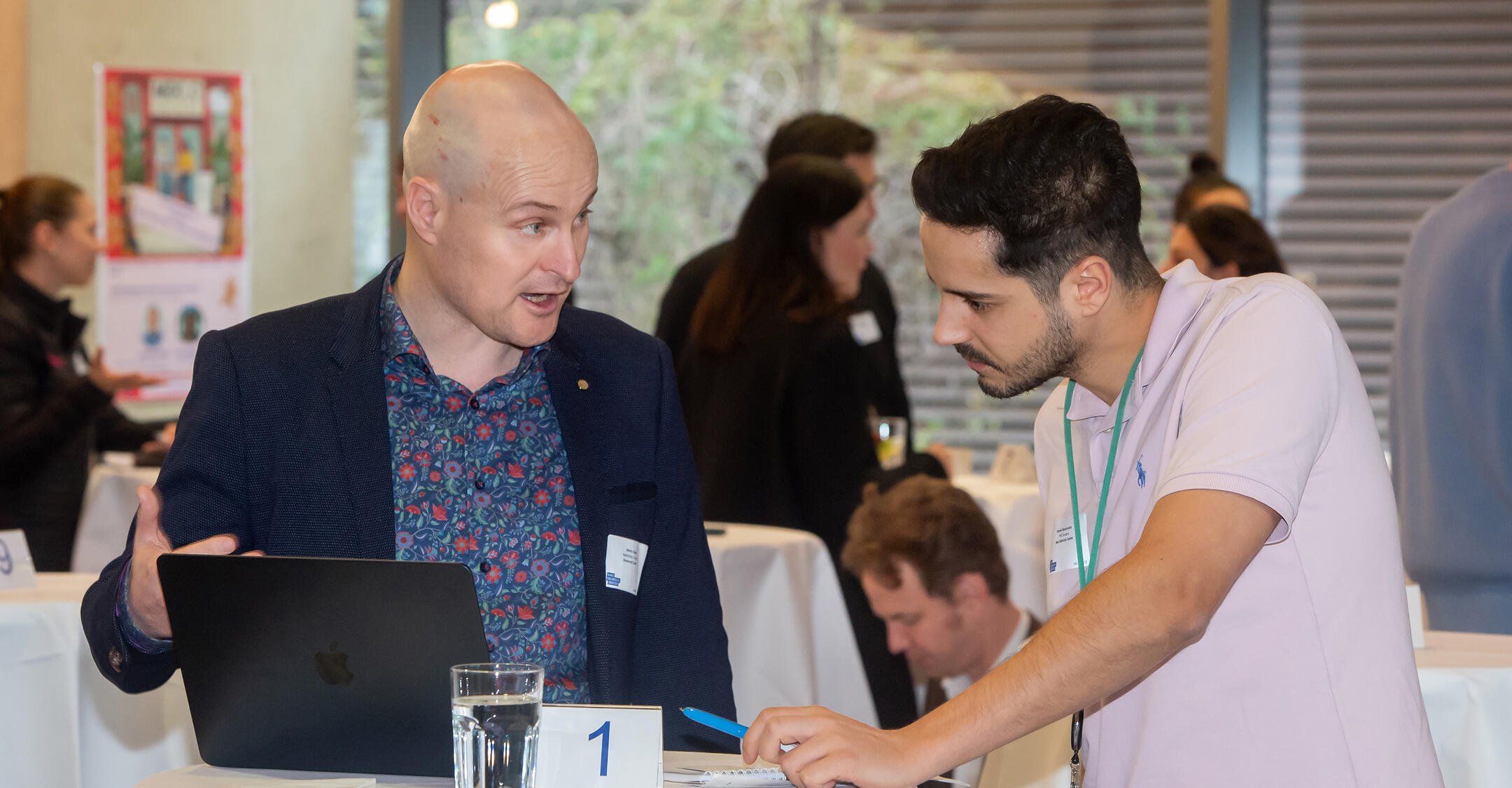
Bridging science and business During the Predictive Systems Medicine Partnering Event at the Max Delbrück Center, researchers and industry representatives shared insights and explored commercialization opportunities – advancing our mission to turn discovery into real-world health impact
Read more |
|
|
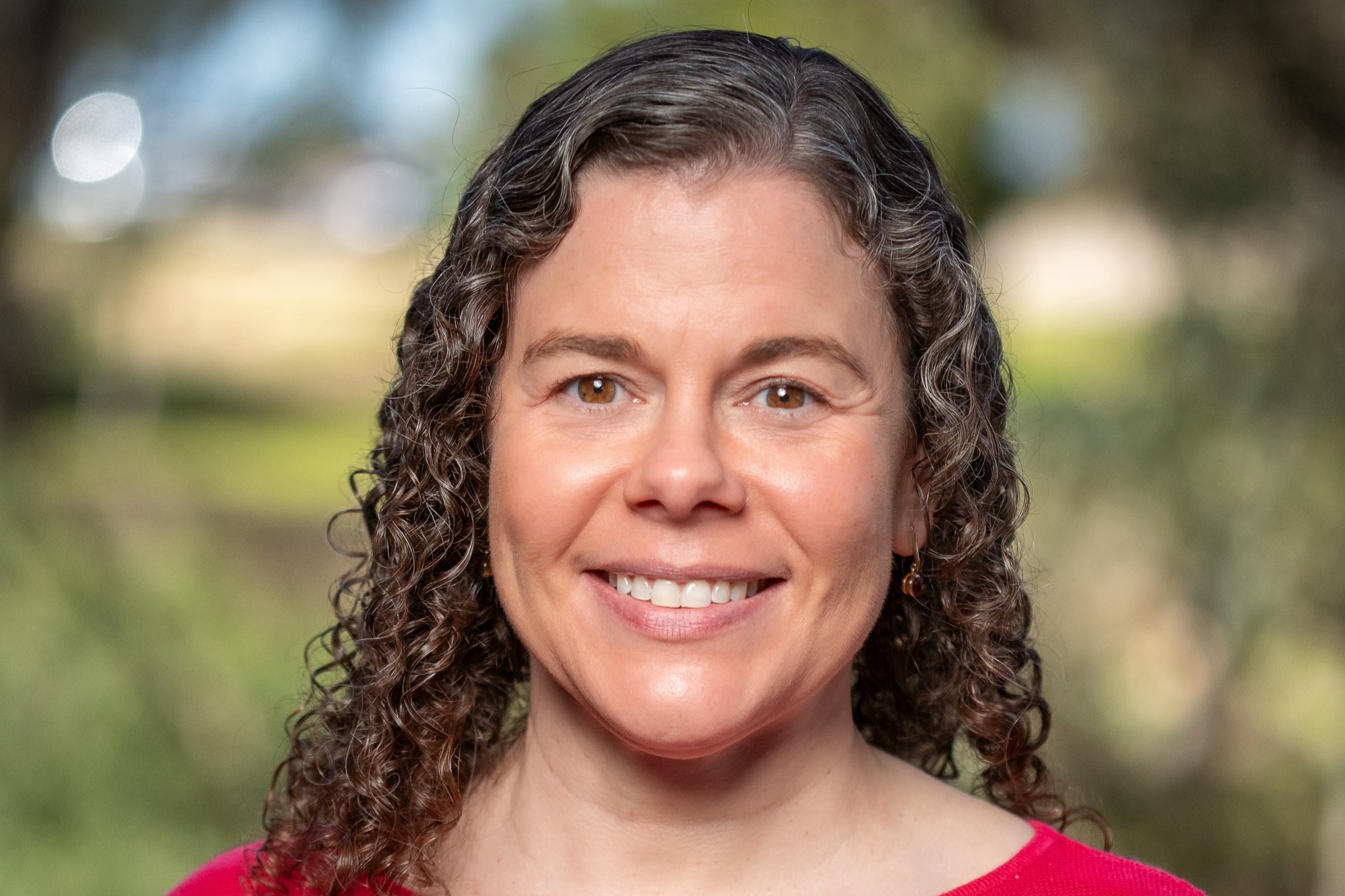
Karen Christman receives Humboldt Research Award
Karen Christman, a Stiftung Charité Visiting Fellow at our center, is among the first researchers to have won a Humboldt Research Award under Germany’s Global Minds Initiative. The award will enable her to expand her research in Germany on bioengineering.
Read more |
|
Building environmentally friendly labs
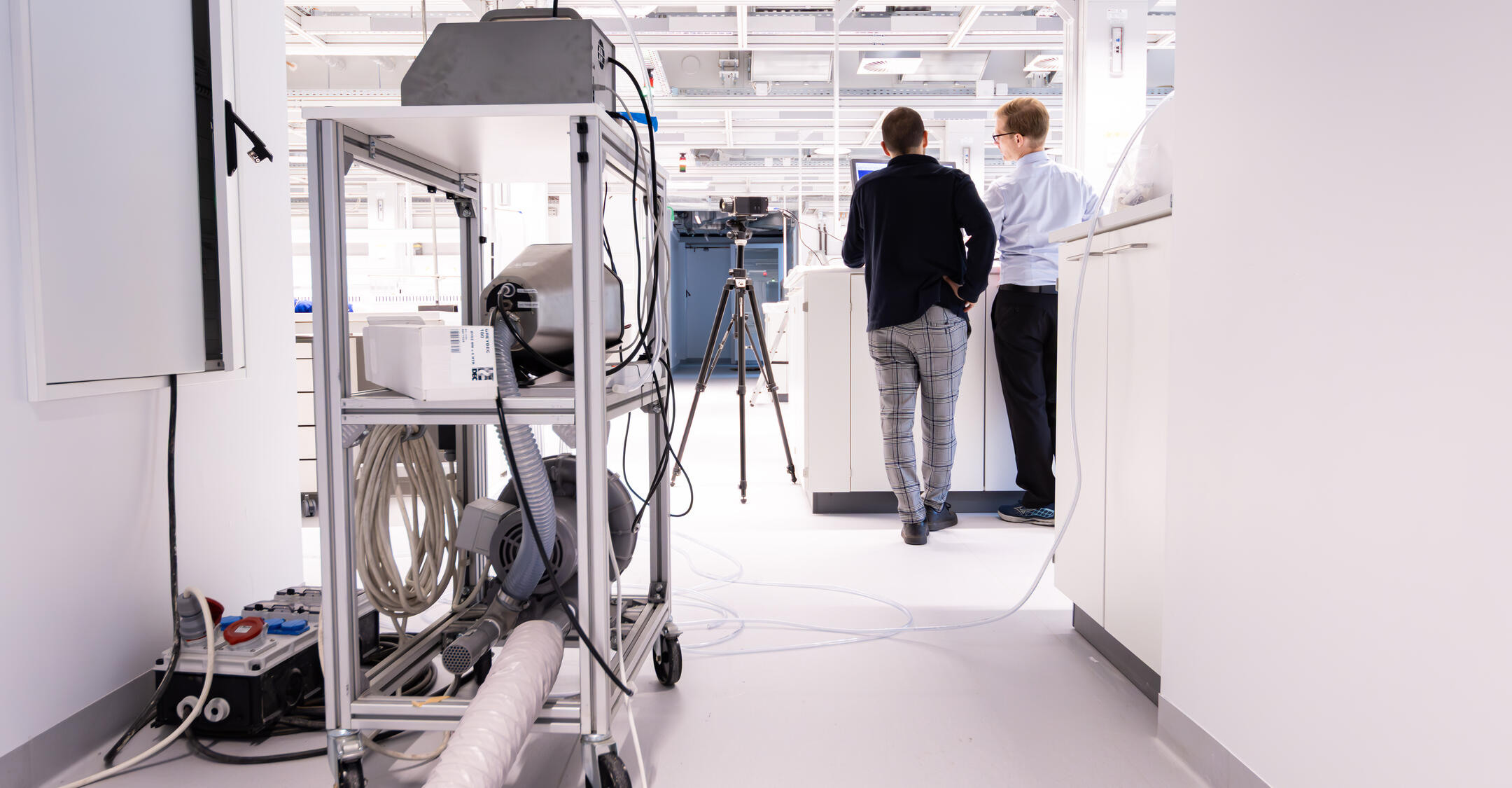
Our research center has recently completed construction of a new Demonstrator Lab as a testbed to reduce the environmental impact of biomedical research. The insights gained will be applied to all new building renovations across the center.
Read more |
|
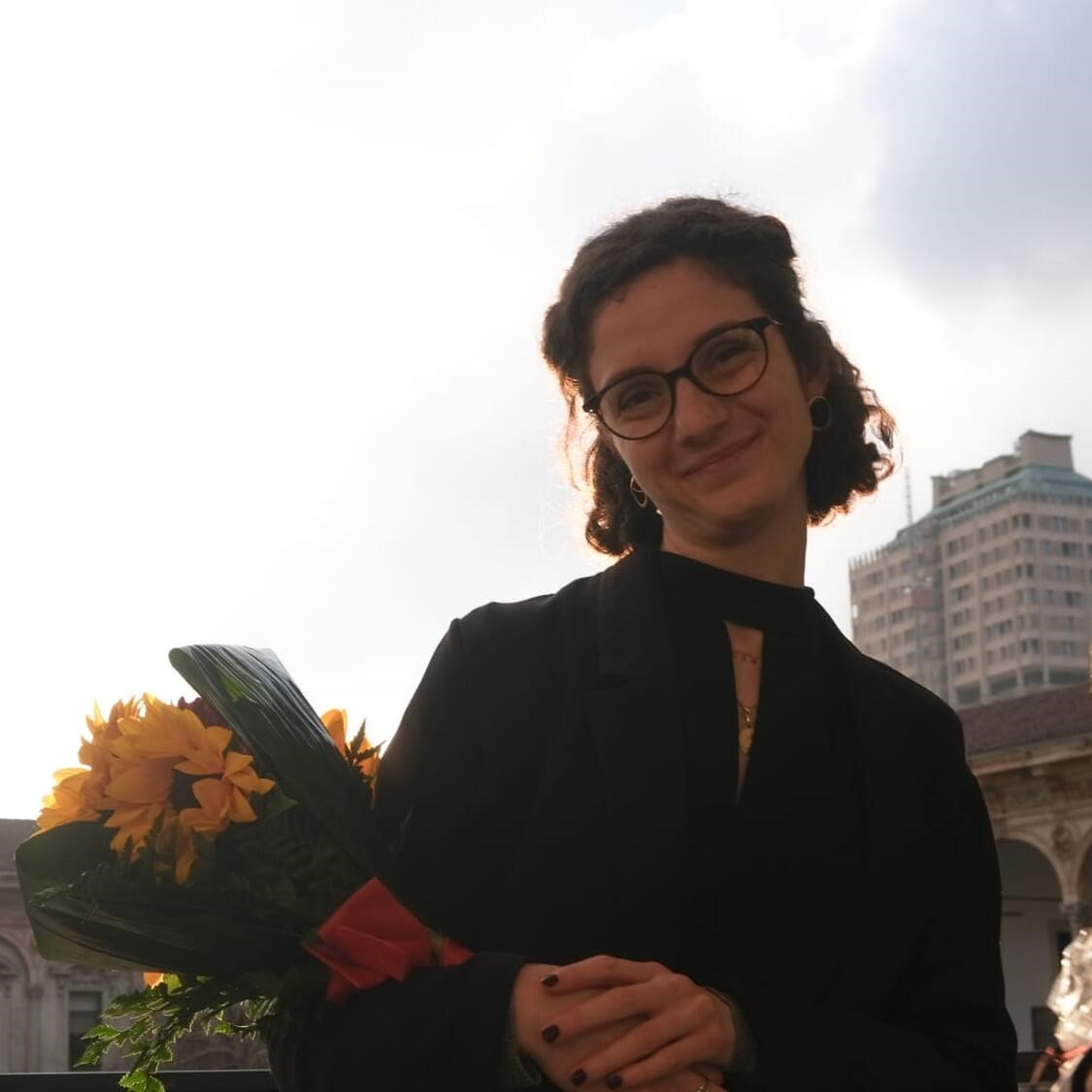
What are you reading, Ms Negroni?
|
Alessia Negroni is a PhD student in Norbert Hübner’s lab, where she investigates pediatric hearts at single-cell resolution. Beyond the lab, she’s a passionate reader, and recommends the latest novel by a contemporary Mexican author – a moving story about friendship and the ambivalences of motherhood.
Read more
|
|
|
|
Curious about a career that combines science and innovation? At the Max Delbrück Center you can expect exciting challenges, interdisciplinary and international teams and the opportunity to help shape the medicine of tomorrow – whether in administration or in the lab.
All open positions |
|
January 6
4 – 6 p.m. Zeiss Großplanetarium
Prenzlauer Allee 80
10405 Berlin |
Wenn das Immunsystem das Gehirn angreift
Autoimmunerkrankungen des zentralen Nervensystems
Sprecher: Univ.-Prof. Dr. Friedemann Paul, Leitung Experimental and Clinical Research Center (ECRC), NeuroCure, Clinical Research Center
Neue Wege in die Biomedizin: Aktuelle Forschungsthemen vom Campus Berlin-Buch
Für Lehrkräfte, Schülerinnen und Schüler sowie Interessierte
Eintritt frei. Anmeldung erforderlich: E-Mail: ticket@planetarium.berlin |
|
|
January 7
2:30 – 3:30 p.m. MDC-BIMSB
Elsa Neumann Room (0.61)
Hannoversche Str. 28
10115 Berlin |
Extrachromosomal DNA in Cancer
Speaker: Anton Henssen, Charité / Max Delbrück Center
Topic: Extrachromosomal DNA (ecDNA) as an engine of tumor evolution and clinical aggressiveness – and its weak spots
If you can't make it in person, please Join via Zoom. |
|
|
January 17
6 p.m. – 12 a.m. Berlin-Brandenburgische Akademie der Wissenschaften
Markgrafenstr. 38
10117 Berlin |
Wem gehören unsere Daten – und wem die KI-Modelle?
Podium während des Salons Sophie Charlotte zum Thema: Konflikte lösen
Wenn Kreativität und Forscherdrang auf künstliche Intelligenz treffen, kann völlig Neues entstehen. Aber unterstützen sie menschliche Fähigkeiten oder verdrängen sie sie? Konfliktpotenzial liegt auch in den Fragen, wer wozu Daten sammelt, ihrer Zugänglichkeit und wie gelernte Modelle zum Wohle aller genutzt werden. Kommen Sie zu unserem Podium ins Akademiegebäude am Gendarmenmarkt!
Mit Uwe Ohler (Leiter der Arbeitsgruppe „Bioinformatik der Genregulation“ am Max Delbrück Center) und Mathijs Vleugel (Leiter des Helmholtz Open Science Office):
Konferenzraum 3 | 1. OG
20:00 - 21:00 Uhr
Der Eintritt ist frei. Further information
Full program |
|
|
January 15 – 16
Max Delbrück Center
Dendrite 2 & 3, House 83 (MDC.C)
Robert-Rössle-Str. 10
13125 Berlin |
Fundamentals of Scientific Metadata for Health
Join the course and learn how to describe your data so that others and your future self can easily understand it.
Attendance is free, but places are limited.
The course is organized by the Helmholtz Metadata Collaboration (HMC), the Helmholtz Information & Data Science Academy (HIDA), and the Max Delbrück Center. PhD students will receive credit points for participation.
For questions, please contact hida-courses@helmholtz.de. |
|
|
|
|
|