The DNA that makes up a genome contains regions that code for proteins called genes. Each gene encodes a unique protein that performs a specialized function in the cell. The human genome contains more than 25,000 genes and a fungal genome typically contains between 6000 and 15000 genes for yeasts and filamentous fungi respectively.
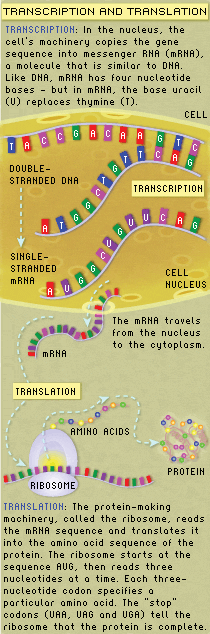
Cells use the two-step process of transcription and translation to read each gene and produce the string of amino acids that makes up a protein. The basic rules for translating a gene into a protein are laid out in the Universal Genetic Code.
To see how this works, look over the diagram at the right. Then try it yourself in the activity below!